
A dog bite can cause much more than a few puncture wounds.
Dog attacks can result in serious lacerations, nerve damage, infections, scarring, fractures, emotional trauma, and permanent disfigurement. When the victim is a child, the consequences can be especially severe.
If you or someone you love was bitten or attacked by a dog in Texas, you may be wondering:
The answers depend on the circumstances of the attack.
Texas law does not automatically make a dog owner liable for every injury caused by a dog. At the same time, Texas law does not give a dog owner a free pass simply because the dog had never bitten anyone before.
Texas recognizes different legal theories that may allow an injured person to recover compensation, including negligence and claims based on a dog owner’s knowledge of the animal’s dangerous propensities.
If you were injured in a dog attack, our San Antonio personal injury attorneys can review what happened and help you understand your legal options.
Your health should be your first priority.
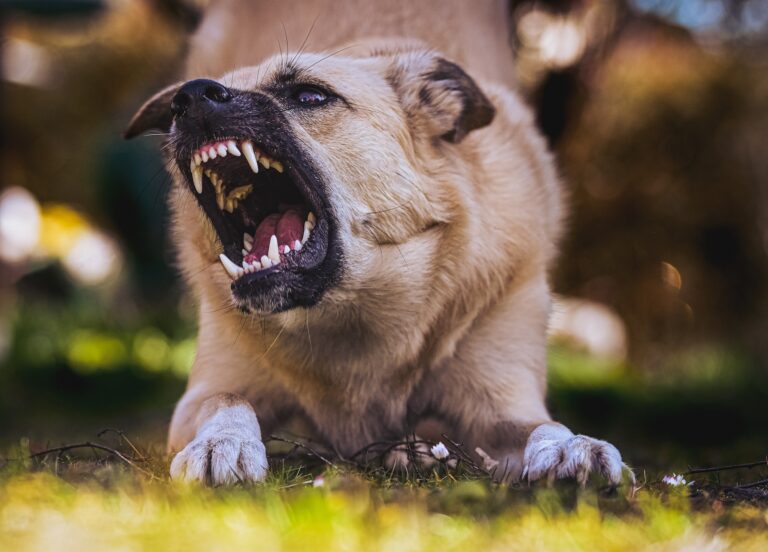
If you have been bitten or attacked by a dog, consider taking the following steps as soon as possible.
Even a wound that looks relatively minor can become infected.
Dog bites can damage tissue underneath the skin and may expose you to bacteria. Serious attacks can cause tendon, muscle, nerve, or bone injuries.
Follow your healthcare provider’s instructions regarding wound care, antibiotics, tetanus vaccination, rabies concerns, follow-up appointments, and other treatment.
Your medical records can also become important evidence if you later pursue a personal injury claim.
If you are in San Antonio or Bexar County, reporting the attack to the appropriate animal-control authorities can be important.
Bexar County advises people who have been bitten to exchange information with the animal’s owner, seek medical attention, and contact Animal Control. The county also provides an Animal Control Bite Statement for reporting an incident.
If the animal has broken the skin, rabies exposure may need to be evaluated.
Bexar County explains that when a biting animal can be identified, it may be quarantined for 10 days following the incident to determine whether it presents a rabies risk.
If it is safe to do so, obtain:
Do not put yourself at risk trying to obtain information from an aggressive dog or its owner.
Take photographs of your injuries as soon as possible.
Continue taking photographs as the injuries heal.
If you have significant bruising, swelling, lacerations, scarring, stitches, or other visible injuries, photographs can help document how the injury developed over time.
If possible, photograph:
Get the names and contact information of anyone who witnessed the attack.
Witnesses can sometimes provide important evidence about:
Do not throw away clothing that was damaged during the attack.
If possible, preserve photographs, medical records, bills, incident reports, photographs of the scene, and other evidence.
An insurance company may contact you after a dog bite.
Be careful about making statements before you understand the circumstances of your claim.
You should answer questions truthfully, but you do not necessarily need to provide an insurer with a detailed recorded statement before speaking with an attorney.
Yes—but the phrase “one-bite rule” can be misleading.
Texas follows a common-law approach to dog-bite liability that originated in part with the Texas Supreme Court’s 1974 decision in Marshall v. Ranne.
Under this framework, a person injured by a dog may potentially recover by showing that the owner knew or should have known of the dog’s dangerous propensities, or by establishing that the owner was negligent in controlling the dog. The State Bar of Texas explains that Texas’s rule does not simply provide a dog with one “free” bite.
This distinction is extremely important.
A dog does not necessarily have to have bitten someone before for the owner to face liability.
For example, suppose a dog owner knows that the dog:
Those facts could potentially be relevant to whether the owner knew or should have known that the dog presented a danger.
The traditional idea behind a one-bite rule is that an owner generally cannot be held strictly liable for a dog’s first bite merely because the dog caused an injury.
The injured person may need to establish that the owner knew or had reason to know of the dog’s dangerous tendencies.
But Texas law also recognizes negligence principles.
That means an injured person may have a claim even when there is no evidence that the dog previously attacked anyone.
For example, imagine a dog owner:
Depending on the facts, those circumstances may support a negligence claim.
The State Bar of Texas has specifically noted that Texas’s one-bite rule allows recovery in circumstances where the dog has not previously bitten someone if the plaintiff can establish negligence by the owner.
Yes, potentially.
This is one of the biggest misconceptions about Texas dog-bite law.
You do not necessarily need evidence of a previous bite.
A previous bite can be powerful evidence that an owner knew the dog presented a danger. But other evidence may establish the owner’s knowledge or negligence.
For example, evidence could include:
Every case is different.
A loose dog can be important evidence in a Texas dog-bite case.
The circumstances matter, including:
For example, Bexar County’s animal-control rules state that dogs must be leashed when off property and may not roam without restraint in unincorporated areas of the county.
A violation of an animal-control rule does not automatically answer every question about civil liability, but it can be an important fact in evaluating what happened.
The location of the attack can matter.
You may have potential claims involving:
The appropriate legal theory depends on the facts.
For example, if a dog attacks a customer at a business, questions may arise concerning who owned or controlled the dog and whether the business knew that the animal posed a danger.
If a dog attacks a visitor at a residence, the circumstances surrounding the dog’s presence and the owner’s knowledge may become important.
These cases should be evaluated individually.
Being invited onto someone’s property does not automatically eliminate your rights.
In fact, the circumstances of an attack on a guest can raise important questions concerning what the property owner or dog owner knew about the animal.
For example:
- Did the owner know the dog was aggressive?
- Had the dog previously snapped at guests?
- Did the owner warn you that the dog might attack?
- Was the dog properly restrained?
- Did the owner intentionally release the dog?
- Was the dog normally allowed around visitors?
The answers may be relevant to determining liability.
Dog attacks involving delivery drivers, postal workers, contractors, utility workers, and other professionals can involve additional legal issues.
The worker’s status on the property may matter, as may:
If you were injured while working, you should discuss the circumstances with an attorney who can evaluate both potential workers’ compensation issues and potential third-party claims.
Dog attacks on pedestrians, runners, cyclists, and people walking their own dogs are common situations in which owner negligence may become important.
Evidence can include:
If the dog was roaming freely in an area where it was required to be restrained, that may be important evidence.
Dog attacks involving children can be particularly serious.
Children may suffer:
A child’s injury can also raise legal issues that differ from those involved in an adult’s claim.
If your child was seriously injured in a dog attack, you should have the case evaluated promptly.
Do not assume that the case is insignificant because the child was treated and released from an emergency room.
Some injuries—and particularly scarring and psychological effects—may become more apparent over time.
Yes.
Dog bites can cause significant scarring, particularly when the attack involves the:
Children are particularly vulnerable to facial injuries because of their smaller size and the height of many dogs.
Scarring may require:
Permanent scarring can also have emotional consequences.
The potential value of a claim depends on the individual circumstances and applicable law.
Yes.
A deep bite can damage nerves, tendons, muscles, and other structures.
Nerve injuries may cause:
Hand injuries can be particularly serious because damage to a relatively small area can affect a person’s ability to work and perform everyday activities.
Yes.
Dog bites can introduce bacteria into the body.
Depending on the wound, treatment may involve:
A person who develops a serious infection may require substantially more medical treatment than someone whose wound heals quickly.
Depending on the circumstances, compensation may potentially come from:
Texas Department of Insurance explains that homeowners insurance may provide liability coverage for injuries caused by pets and that medical-payments coverage may cover medical bills for someone injured on the property. Coverage varies by policy, however.
Some policies may exclude particular breeds or impose other restrictions.
Therefore, determining whether insurance coverage exists can be an important part of investigating a dog-bite claim.
It often can, but coverage depends on the policy.
Texas Department of Insurance explains that homeowners insurance may provide liability coverage for accidents caused by the insured, the insured’s property, family members, or pets. It also notes that medical-payments coverage may cover certain injuries caused by a dog.
However, insurance policies differ.
Potential issues can include:
The existence of insurance should be determined rather than assumed.
A successful personal injury claim may potentially include compensation for damages such as:
This may include emergency treatment, hospitalization, surgery, medication, physical therapy, and other reasonable medical expenses.
Some injuries require continuing treatment.
If your injuries caused you to miss work, you may potentially seek compensation for lost income.
A serious injury can affect your ability to earn income in the future.
Dog attacks can be extremely painful, particularly when they involve deep wounds or surgical treatment.
Victims may experience anxiety, fear, nightmares, depression, or other emotional effects following an attack.
Permanent limitations may affect your ability to work or participate in ordinary activities.
Permanent scars—particularly facial scars—can be an important component of damages.
Depending on the circumstances and applicable law, additional damages may potentially be available.
There is no standard value for a Texas dog-bite case.
Two people can be bitten by dogs and have dramatically different claims.
For example:
Person A suffers a superficial puncture wound, receives a few stitches, takes antibiotics, and makes a full recovery.
Person B suffers a facial attack requiring reconstructive surgery, develops an infection, has permanent scarring, misses six months of work, and experiences continuing psychological trauma.
Those cases obviously have very different damages.
Factors that can affect the value of a dog-bite claim include:
An attorney should evaluate the actual facts before providing an opinion about potential value.
Potentially.
Texas follows a proportionate-responsibility system.
Under Texas Civil Practice and Remedies Code § 33.001, a claimant whose percentage of responsibility is greater than 50% cannot recover damages. If the claimant’s responsibility is 50% or less, the damages can generally be reduced according to the claimant’s percentage of responsibility.
Dog-bite cases can therefore involve questions about the victim’s conduct.
For example, the defense might argue that the victim:
Whether such arguments have merit depends on the evidence.
A victim should not assume that an insurance company’s assertion of “provocation” means the claim is invalid.
Provocation can be an important issue in dog-attack cases.
The specific circumstances matter.
For example, there is a substantial difference between:
There can also be disputes about what actually happened.
Witness testimony, video footage, photographs, animal-control records, and other evidence can be important.
Trespass can make a dog-bite claim more difficult.
Texas law generally provides different protections to people who are trespassers compared with people who are lawfully on property. The circumstances of the entry matter, including whether the person had permission, whether permission was implied, and whether an exception applies.
Do not assume that the mere fact that you were injured on private property means you were trespassing.
For example, a person delivering a package, visiting a friend, walking on a public sidewalk, or performing work at a property may have a legal right to be where they were.
Strong evidence can make a significant difference.
Potentially important evidence includes:
These establish the nature and extent of the injury.
Photographs can document wounds, swelling, bruising, stitches, infection, and scarring.
These may document the incident and the dog’s history.
Previous complaints about the dog can potentially be relevant to whether the owner knew about aggressive behavior.
Witnesses can provide evidence about what occurred.
Security cameras, doorbell cameras, business surveillance, and cellphone videos can be extremely valuable.
Communications between the victim and dog owner can provide evidence concerning what happened.
Insurance coverage may be essential to evaluating the potential recovery.
Broken fences, open gates, inadequate restraints, and other conditions may help establish what happened.
Do not assume the owner’s statement settles the issue.
Dog-bite cases frequently involve competing versions of events.
The owner may claim the dog was provoked.
You may claim you were simply walking by.
The evidence needs to be examined.
That can include witnesses, surveillance footage, medical records, photographs, animal-control reports, and statements made immediately after the incident.
That does not necessarily end your case.
As discussed above, Texas negligence principles can provide a basis for liability even when a dog has not previously bitten someone.
The relevant question may include whether the owner acted reasonably under the circumstances and whether the owner knew or should have known of the dog’s dangerous tendencies.
A previous bite or aggressive incident can be extremely important.
Evidence of a previous incident may help establish that the owner knew or should have known that the dog posed a danger.
Relevant evidence might include:
An attorney investigating a serious dog-bite claim may want to determine whether the dog had a history that was not apparent to the victim.
Texas law contains specific provisions concerning dangerous dogs.
Texas Health and Safety Code § 822.005 makes certain conduct involving a dangerous dog a criminal offense. Among other things, the statute addresses an owner who knows the dog is a dangerous dog and whose dog makes an unprovoked attack causing serious bodily injury or death outside a secure enclosure.
The statute also addresses circumstances involving criminal negligence in failing to secure a dog.
These criminal provisions are separate from the civil lawsuit analysis.
A criminal prosecution is not required before an injured person can potentially pursue a civil claim.
A fatal dog attack is an extraordinarily serious event.
In addition to criminal and animal-control proceedings, surviving family members may potentially have wrongful-death or survival claims depending on the circumstances and applicable law.
The appropriate claims depend on the facts and the relationship of the people involved.
If someone dies as the result of a dog attack, the family should speak with an attorney promptly.
Texas generally provides a two-year limitations period for personal injury claims.
Texas Civil Practice and Remedies Code § 16.003 states that a person generally must bring a personal injury lawsuit no later than two years after the cause of action accrues. The statute also provides a two-year period for an action for injury resulting in death, measured from the death of the injured person.
However, statutes of limitations can be complicated.
Different rules may apply in certain circumstances, including claims involving minors, governmental entities, particular legal theories, or other circumstances.
Do not wait until the end of the two-year period to contact an attorney.
Evidence can disappear. Witnesses can become difficult to locate. Insurance issues can become more complicated.
If you believe you have a dog-bite claim, it is better to have the situation evaluated promptly.
Claims involving children require particular attention to the child’s age and the circumstances of the injury.
A child may also have years of future medical needs or future consequences from permanent scarring or impairment.
If your child was seriously injured, preserve:
A lawyer can explain how Texas law applies to the child’s claim.
Technically, an injured person can pursue a personal injury claim without an attorney.
But serious dog-bite cases can involve issues that are not obvious at first.
These may include:
An insurance company has a financial interest in resolving the claim for as little as reasonably possible.
If you have suffered significant injuries, it may be worthwhile to have an attorney evaluate the claim before accepting a settlement.
An attorney may investigate:
The investigation can be particularly important when the dog owner denies responsibility.
The process generally begins with a case evaluation.
You will have an opportunity to explain:
The attorney may then determine whether additional investigation is appropriate.
If the case appears viable, the attorney may investigate insurance coverage, obtain records, communicate with insurance companies, gather evidence, and pursue compensation on your behalf.
You should receive an explanation of the attorney’s fee arrangement and representation agreement before becoming a client.
Many personal injury attorneys handle dog-bite cases on a contingency-fee basis.
Under a contingency arrangement, the attorney generally receives a fee from a recovery rather than requiring the client to pay an hourly fee for the legal work.
The exact fee and responsibility for expenses vary by attorney and should be explained in a written agreement.
Before hiring an attorney, make sure you understand:
If you were attacked by a dog in San Antonio or Bexar County, there may be local animal-control records that are relevant to your claim.
Bexar County Animal Control instructs people who have been bitten to seek medical attention and report the incident. The county maintains an Animal Control Bite Statement for reporting bites and scratches that break the skin.
Bexar County also states that an identified biting animal may be quarantined for 10 days following the incident to evaluate rabies exposure.
For residents of unincorporated Bexar County, county rules also require dogs to be leashed when off the owner’s property and prohibit dogs from roaming without restraint.
These local requirements can be important facts in some cases.
If your dog attack occurred within San Antonio city limits rather than unincorporated Bexar County, different local rules and procedures may apply.
Even though Texas generally gives an injured person two years to bring a personal injury lawsuit, waiting can make a case harder to prove.
Important evidence can disappear.
For example:
A prompt investigation can help preserve evidence while it is still available.
Texas follows a common-law framework sometimes called the one-bite rule, based in part on Marshall v. Ranne. But the rule does not mean that a dog is automatically entitled to one free bite. An injured person may potentially recover under negligence principles even without proving a previous bite.
Potentially, yes. A negligence claim may exist even if the dog had no previous bite history.
Texas generally has a two-year statute of limitations for personal injury claims. Exceptions and special rules may apply.
It may. Texas Department of Insurance explains that homeowners insurance can provide liability and medical-payments coverage for certain injuries caused by pets, but coverage varies by policy.
A loose dog may provide evidence supporting a negligence claim, particularly where applicable leash or animal-control requirements were violated.
You may still have a claim. The circumstances of your presence on the property and the owner’s knowledge and control of the dog are important.
Being a guest does not automatically prevent you from pursuing a claim.
You may potentially have a claim, but workers’ compensation and third-party liability issues may also need to be evaluated.
Children can suffer serious and permanent injuries from dog attacks. Have the case evaluated promptly, particularly if the child suffered facial injuries, scarring, surgery, or psychological trauma.
Potentially. Permanent disfigurement can be an important component of damages in a personal injury claim.
Potentially. The availability and amount of damages depend on the circumstances and applicable law.
Texas uses proportionate responsibility. If a claimant is more than 50% responsible for the harm, the claimant generally cannot recover damages; if the claimant is 50% or less responsible, the recovery may be reduced according to the percentage of responsibility.
Provocation can be relevant, but the owner’s assertion does not automatically establish that you caused the attack. The evidence should be evaluated.
A prior attack or aggressive incident may be important evidence concerning the owner’s knowledge of the dog’s behavior.
Not necessarily for every minor injury. However, if you suffered significant injuries, scarring, surgery, nerve damage, lost income, or other substantial damages, consulting an experienced personal injury attorney can help you understand your options.
There is no standard amount. The value depends on liability, insurance coverage, medical expenses, severity of injuries, scarring, impairment, lost income, and other factors.
Bring photographs, medical records, bills, the owner’s information, animal-control reports, insurance information, witness information, and anything else you have concerning the attack.
You do not need to have every document before contacting an attorney.
A dog attack can leave you with physical injuries, medical bills, lost income, permanent scars, and emotional trauma.
If another person’s dog injured you, you may have legal options for recovering compensation.
Texas dog-bite law can be complicated. The fact that a dog never bit anyone before does not necessarily mean the owner is immune from liability, and the fact that a dog did bite someone before does not automatically determine the outcome.
The circumstances matter.
Our San Antonio personal injury attorneys can evaluate:
If you or a family member was injured in a dog attack, contact our San Antonio office for a free, confidential consultation.
You do not have to deal with the insurance company alone.
Contact us today to discuss your Texas dog-bite injury claim.
This article is provided for general informational purposes only and does not constitute legal advice. Texas dog-bite law can depend on the specific facts of an individual case, applicable statutes, common-law principles, local ordinances, and other circumstances.
The information concerning statutes, regulations, and case law should not be interpreted as a guarantee of any particular outcome.
No attorney-client relationship is created merely by reading this article or contacting this website. An attorney-client relationship is established only through an appropriate agreement.
If you have been injured by a dog, consult an attorney about the specific facts and deadlines applicable to your claim.