
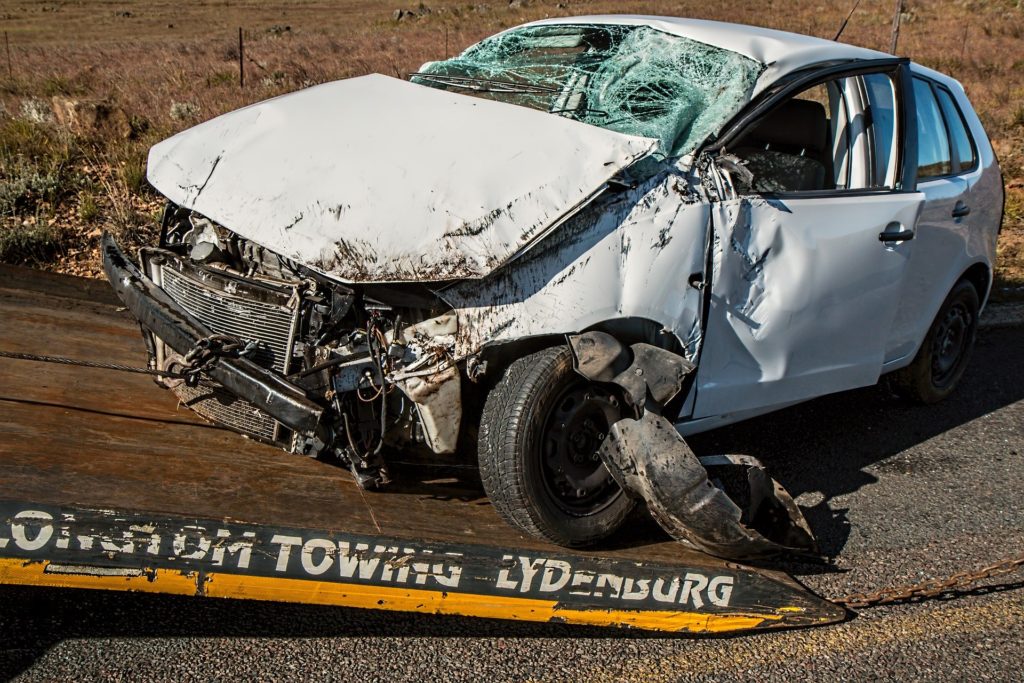
A serious car accident can change your life in seconds. You may suddenly be dealing with injuries, medical bills, a damaged vehicle, missed work, and an insurance company asking questions before you fully understand what happened.
If another driver caused your crash, Texas law may allow you to recover compensation for your injuries and other losses. But getting fair compensation is not always as simple as showing that the other driver received a ticket or caused the collision.
At D. Willis Law, we help people injured in car accidents understand their legal options and determine the best way to pursue their claims. If you were seriously injured in a crash in San Antonio or elsewhere in Texas, speaking with an experienced personal injury lawyer can help you understand what comes next.
Your health and safety should come first.
If anyone is injured or the vehicles cannot be safely driven, contact law enforcement and emergency services. Texas law requires a driver involved in a collision resulting in injury or death, or damage that prevents a vehicle from being normally and safely driven, to immediately report the collision to the appropriate authorities.
If you are physically able to do so, gather information at the scene. Take photographs of the vehicles, damage, roadway, traffic signals, skid marks and anything else that may help explain how the collision happened.
You should also obtain the names and contact information of witnesses. Independent witnesses can become particularly important when drivers disagree about who caused the crash.
After leaving the scene, seek appropriate medical attention for your injuries. Some symptoms may become more noticeable in the hours or days following a collision.
Not every minor collision requires an attorney.
If you have a small property-damage claim and no injuries, you may be able to handle the insurance process yourself. But the situation can be very different when someone suffers a significant injury.
You should consider speaking with a car accident lawyer when a crash involves:
The larger the potential claim, the more important it can become to identify and preserve evidence early.
Most car-accident injury claims are based on negligence.
In general, the investigation looks at whether another driver failed to use reasonable care and whether that failure caused the collision and resulting injuries.
Examples may include:
Evidence of fault may come from photographs, witness statements, video, vehicle damage, police reports, electronic information and other sources.
The insurance company’s initial opinion about fault does not necessarily determine legal responsibility.
Texas follows a system known as proportionate responsibility.
Under Texas Civil Practice and Remedies Code §33.001, a claimant generally cannot recover damages if the claimant’s percentage of responsibility is greater than 50 percent. If the claimant is 50 percent or less responsible, recoverable damages generally are reduced by the claimant’s percentage of responsibility.
For example, if a person suffered $100,000 in damages but was found 20 percent responsible for the collision, the recoverable damages generally would be reduced by that 20 percent.
This is one reason fault matters even when the other driver clearly bears most of the responsibility.
Insurance companies may attempt to place some responsibility on the injured person. Evidence showing exactly how the crash happened can therefore affect both whether compensation is available and how much may ultimately be recovered.
Good evidence can make a substantial difference in a disputed car-accident case.
Depending on the circumstances, useful evidence may include:
Some evidence can disappear quickly.
A nearby business may overwrite surveillance footage. Vehicles may be repaired or destroyed. Witnesses may become difficult to locate.
That is one reason serious crashes should be investigated promptly.
A police report can contain valuable information about the collision, including the identities of drivers and witnesses, insurance information, diagrams and an officer’s investigation.
Texas Transportation Code §550.062 generally requires an investigating law-enforcement officer to prepare a written collision report when a crash results in injury, death, or apparent property damage of $1,000 or more.
However, a police report is not necessarily the final word on civil liability.
An officer may not have witnessed the collision. Additional photographs, video, witness testimony or other evidence may provide information that was unavailable when the report was prepared.
A serious claim should therefore be evaluated based on the available evidence as a whole.
There is no legitimate way to determine the value of a car-accident case from a simple online calculator.
Two people can be involved in similar collisions and have very different claims.
Factors affecting potential value may include:
A case involving temporary soreness that resolves quickly is very different from one involving spinal surgery, a traumatic brain injury or permanent disability.
The available insurance can also matter greatly. A severe injury does not automatically mean that sufficient insurance exists to compensate the injured person fully.
Depending on the facts, a person injured because of another driver’s negligence may seek compensation for economic and noneconomic losses.
Potential damages can include reasonable and necessary medical expenses, lost earnings, loss of earning capacity, physical pain, mental anguish, physical impairment and disfigurement when supported by the evidence.
Texas law also affects how medical expenses are proven and recovered. Under Texas Civil Practice and Remedies Code §41.0105, recovery of medical or health-care expenses incurred is limited to amounts actually paid or incurred by or on behalf of the claimant.
Every case is different. The damages available depend on the injuries, evidence and applicable law.
Texas requires drivers to demonstrate financial responsibility, and most drivers satisfy that requirement by purchasing automobile liability insurance.
The minimum liability limits are commonly called 30/60/25:
Those are minimum limits, not necessarily the amount of insurance a particular driver carries.
They can also be inadequate in a serious accident.
A single hospitalization or surgery can result in losses that substantially exceed a $30,000 per-person bodily-injury limit. When injuries are severe, identifying all potentially applicable insurance policies can become an important part of the investigation.
Being hit by an uninsured driver does not necessarily mean that no insurance coverage is available.
Your own automobile policy may contain uninsured motorist coverage, commonly called UM coverage.
Under Texas law, automobile liability policies generally include uninsured/underinsured motorist coverage unless it has been rejected in writing. Whether coverage exists and how much is available depends on the policy.
UM coverage can become important when the driver who caused the collision has no applicable liability insurance.
This is where underinsured motorist coverage, or UIM, can become important.
Suppose another driver causes a serious collision and carries only Texas’s minimum $30,000 bodily-injury liability limit. If the injured person’s damages substantially exceed that amount, the at-fault driver’s coverage may be insufficient.
An applicable UIM policy may provide an additional source of recovery, subject to its terms and Texas law.
After a serious accident, it can therefore be important to investigate not only the other driver’s insurance but also the injured person’s own policy.
Personal Injury Protection, usually called PIP, is another type of automobile coverage.
Texas Insurance Code §1952.152 generally requires an insurer issuing an automobile liability policy in Texas to provide PIP coverage unless a named insured rejects it in writing.
PIP can pay certain reasonable medical expenses and lost-income benefits arising from a motor-vehicle accident, subject to the policy and applicable law.
PIP can be useful because it is different from a liability claim against the driver who caused the collision.
After an accident, reviewing your own insurance policy can therefore be just as important as obtaining information about the other driver’s policy.
You should be careful when an insurance adjuster asks for a recorded statement.
You should always be truthful when communicating about a claim. But that does not mean you must answer every request immediately without understanding why the information is being requested or how it may affect your claim.
An adjuster may ask detailed questions about:
If you suffered significant injuries or liability is disputed, consider obtaining legal advice before providing a recorded statement to the other driver’s insurer.
A fast settlement offer may sound appealing when you have medical bills and cannot work.
But resolving a claim too early can create problems if you do not yet know the full extent of your injuries.
For example, a person with neck or back pain may later learn that additional treatment, injections or surgery is necessary. A head injury may produce symptoms that continue longer than initially expected.
A settlement ordinarily involves signing a release ending the claim.
Before settling a significant injury case, you should understand your diagnosis, prognosis, potential future treatment and the damages you are giving up.
Read any authorization carefully before signing it.
An insurance company may legitimately need medical information relating to injuries claimed in an accident. However, a broad authorization may potentially allow access to medical information extending well beyond treatment for the collision.
You do not need to assume that every document an insurance company sends should be signed immediately.
If you are uncertain about a medical authorization in a significant injury claim, consider having it reviewed first.
Texas generally has a two-year statute of limitations for personal-injury lawsuits.
Texas Civil Practice and Remedies Code §16.003 generally requires a personal-injury lawsuit to be filed no later than two years after the cause of action accrues.
There can be exceptions and circumstances affecting the deadline, so you should not use a general website article to calculate the limitations date for a particular case.
There is also an important practical distinction between the legal deadline and the best time to investigate.
Waiting nearly two years may result in lost video, unavailable witnesses and other missing evidence even if the statute of limitations has not yet expired.
A collision involving an intoxicated driver can involve additional legal issues.
Evidence may include police reports, field-sobriety testing, blood or breath testing, criminal proceedings, witness statements and video.
Depending on the circumstances, claims may also extend beyond ordinary compensatory damages. Texas law permits exemplary damages in certain cases when the required legal standards are established.
Drunk-driving cases should be investigated carefully because evidence relating to intoxication and the events before the collision may become important.
When a driver causes an accident while working, there may be potential claims involving more than the individual driver.
Depending on the circumstances, an employer or another business may have legal responsibility. Commercial insurance may also provide different or greater coverage than an ordinary personal auto policy.
Important questions can include:
Commercial-vehicle cases can become considerably more complicated than an ordinary two-car collision.
Rideshare collisions can involve additional insurance questions because coverage may depend on what the driver was doing when the crash occurred.
Texas law establishes insurance requirements for transportation-network-company drivers, but the applicable coverage can vary depending on whether the driver was logged into the network, waiting for a ride request, traveling to pick up a passenger or transporting a passenger.
These cases may involve the driver’s personal policy, insurance maintained in connection with the rideshare company, or both.
If you suffer a serious injury in a rideshare collision, preserve screenshots, trip information, receipts and other information showing the status of the ride.
Motor-vehicle collisions can cause injuries ranging from relatively minor strains to permanent disability.
Common injuries include:
The seriousness of an injury is not always obvious at the accident scene.
Adrenaline and shock can temporarily affect how a person feels. If you develop pain or other symptoms after a collision, seek appropriate medical evaluation.
Not every injury produces immediate symptoms.
A person may feel relatively normal immediately after a collision and experience increasing pain or other symptoms later.
If you develop symptoms after leaving the scene, seek appropriate medical care and explain accurately when the symptoms began.
Do not exaggerate your injuries, but do not ignore legitimate symptoms simply because they were not severe at the scene.
If an injury prevents you from working, lost income may be part of your damages.
Documentation can be important. Depending on your employment situation, evidence may include wage statements, tax records, employer verification and medical evidence establishing work restrictions.
A serious injury can also affect a person’s ability to earn income in the future.
Loss of earning capacity is different from simply adding up missed paychecks and may require additional evidence.
Permanent injuries can significantly change the value and complexity of a claim.
A person may require future medical treatment, lose physical abilities, be unable to return to the same work or experience chronic pain for years.
When an injury is permanent, resolving the claim based only on medical bills already incurred may substantially understate its consequences.
The investigation may need to consider future medical needs, future earning capacity, impairment and the long-term effect of the injury on the person’s life.
Visible scarring can be an important part of a personal injury claim.
Some collisions cause facial lacerations, surgical scars, burns or other permanent changes in appearance.
Texas law recognizes disfigurement as a category of noneconomic damages.
Photographs taken throughout the healing process can help document how an injury developed over time.
A fatal collision can potentially give rise to wrongful-death and survival claims under Texas law.
These cases involve different legal issues from an ordinary personal injury claim, including who may bring particular claims and what damages may be available.
Families dealing with a fatal collision should obtain individualized legal advice about their rights and applicable deadlines.
There is no standard timeline. I have settled very large cases in under six months. On the other hand, some cases may take years to resolve.
A relatively straightforward claim involving clear liability and injuries that resolve may be handled much differently from a case involving surgery, permanent disability, multiple defendants or disputed insurance coverage.
One of the biggest factors is often medical treatment.
It can be difficult to evaluate a serious claim fairly before the extent of the injury and future medical needs are reasonably understood.
If a lawsuit becomes necessary, the case may take considerably longer.
No.
Many personal injury claims resolve through negotiation without a trial or even a lawsuit.
However, the possibility of litigation matters. An insurance company evaluates the evidence, liability, damages and the risk associated with taking a case to court.
When an insurer will not make a reasonable settlement offer, filing a lawsuit may become necessary.
Whether litigation makes sense depends on the individual case.
Personal injury cases are commonly handled on a contingency-fee basis.
Under a contingency arrangement, the attorney’s fee is generally based on a percentage of the recovery rather than an hourly fee paid as the case proceeds.
The exact fee arrangement should be explained in a written agreement before representation begins.
At D. Willis Law, the initial consultation is free. You can discuss what happened and learn about your options before deciding how you want to proceed.
No lawyer should tell you that every car accident requires legal representation.
If you were not injured and are dealing only with minor vehicle damage, hiring an attorney may provide little benefit.
But legal representation becomes more important as the stakes increase.
A serious injury case can involve disputed liability, substantial medical expenses, future treatment, lost earning capacity, multiple insurance policies and permanent damages.
An attorney can investigate the collision, identify potential sources of recovery, preserve evidence, evaluate damages, communicate with insurers and determine whether litigation is necessary.
San Antonio is a large, heavily traveled city with interstate highways, frontage roads, construction zones, busy intersections and rapidly growing surrounding communities.
Crashes on I-10, I-35, I-37, Loop 410, Loop 1604 and other major roads can involve complicated traffic patterns and multiple vehicles.
But local knowledge is about more than recognizing highway names.
A San Antonio attorney should understand the courts, medical providers, insurance issues and practical realities involved in handling an injury claim in Bexar County.
At the same time, the law governing a claim is Texas law. A strong case depends on evidence and legal analysis, not simply where the lawyer’s office is located.
There is no single formula, but strong cases often have several things in common:
Clear evidence of responsibility. Photographs, witnesses, video and other evidence help establish how the collision occurred.
Documented injuries. Medical records help establish what injuries were diagnosed and how they were treated.
Consistency. Statements, medical histories and other evidence should accurately reflect what happened.
Evidence of damages. Wage records, medical information, photographs and other documentation help show the consequences of the collision.
Available insurance or other sources of recovery. Even a strong liability case requires consideration of how a judgment or settlement may ultimately be paid.
Every case has weaknesses as well as strengths. A useful legal evaluation identifies both.
If available, bring or provide:
Do not worry if you do not have everything.
An initial consultation is also an opportunity to determine what additional information may need to be obtained.
Choosing a lawyer is an important decision, particularly after a serious injury.
Consider asking:
You should feel comfortable asking questions before signing a representation agreement.
If you have been seriously injured in a car accident, you may be dealing with much more than vehicle repairs.
Medical treatment, missed work, insurance coverage and uncertainty about the future can make an already difficult situation more complicated.
D. Willis Law can review the circumstances of your accident, help you understand your legal options and determine what steps may be appropriate.
If another driver’s negligence caused your injuries, you may be entitled to compensation under Texas law.
Contact D. Willis Law for a free and confidential consultation about your San Antonio car accident case.
This page is provided for general informational purposes only and does not constitute legal advice. Every car-accident claim is different, and the applicable law, insurance coverage, deadlines and potential damages depend on the particular circumstances. Reading this page or contacting D. Willis Law does not create an attorney-client relationship. An attorney-client relationship is established only through an appropriate written agreement.
“Working with Daniel was educational. The extensive knowledge I gained was invaluable. Great attorney who will work to bring you whole. Will definitely recommend.”
-Melissa L.